Algae are a diverse group of organisms that play a critical role in our ecosystems. Algae are increasingly recognized for their potential in sustainable food production, biofuels, and other innovative applications. But what exactly are algae, and how do they differ from other aquatic plants like seaweed? This guide explores the fascinating world of algae, including their types, cultivation methods, and significant role in creating a better planet and improving human health.
All About Algae
Algae live in various waters, such as oceans, brackish rivers, and freshwater lakes. Some are microscopic single-celled organisms, while others cluster in pairs, quartets, or more, with the highest clusters occurring in seaweed. Algae are crucial for life on Earth. In nature, organisms like algae and plants produce oxygen through photosynthesis. They serve as the foundation of aquatic food chains, capable of making biomass from salts, CO2, water, and sunlight.
Microalgae vs Seaweed
When discussing algae, it’s essential to further distinguish between microalgae and seaweed:
Microalgae are tiny, single-celled organisms that are invisible to the naked eye. They are highly efficient in producing biomass and are rich in proteins, vitamins, and other essential nutrients. Microalgae are the focus of Phycom’s innovative cultivation efforts due to their versatility and nutritional benefits. Learn more about Why we create algae and how microalgae can be a sustainable food source for the future.
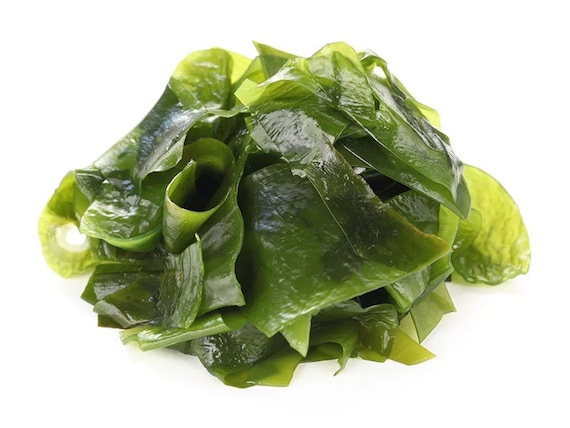
Seaweed, on the other hand, refers to larger, multicellular algae that you might find washed up on the beach. These saltwater macroalgae are formed by clusters where all cells together form a plant-like structure. However, these are not plants, as they don’t have roots, stems, or leaves. Seaweed is commonly used in food products, cosmetics, and fertilizers. While seaweed is a beneficial food source, microalgae offer unique advantages regarding cultivation efficiency and nutritional content.
Types & Colors of Algae
Algae come in various colors, each with different properties and uses. The most common types include:
Green Algae (Chlorophyta): Rich in chlorophyll, green algae are widely used in supplements and as a natural colorant in food products.
Red Algae (Rhodophyta): Known for their high levels of antioxidants and proteins, red algae are often used in cosmetics and health products.
Brown Algae (Phaeophyta): Brown algae are commonly used to produce alginates and are found in many processed foods and industrial products.
Blue-Green Algae (Cyanobacteria): Despite their name, these algae are actually bacteria that perform photosynthesis. Spirulina, a well-known dietary supplement, belongs to this group.
Macroalgae
visible to the naked eye; multicellular organisms
Microalgae
visible through a microscope; unicellular organisms
Salt / brackish water
e.g. Wakame / Nori
e.g. Nannochloropsis
Fresh water
e.g. Ulva flexuosa
e.g. Chlorella vulgaris
Different Cultivation Methods
Algae can be cultivated through various methods, each with its unique benefits and challenges. Phycom specializes in controlled microalgae cultivation, focusing on quality, volume, sustainability, and economies of scale. Here’s an overview of the primary cultivation methods:
Phototrophic Cultivation: This method relies on natural sunlight and carbon dioxide for algae growth. It’s similar to how plants grow, making it an eco-friendly option. However, it requires large open spaces and can be influenced by environmental conditions. Examples of these systems are Open-Pond raceway systems. Learn about our Principles on Quality and Volume that don’t fit with phototrophic systems.
Heterotrophic Cultivation: Unlike phototrophic methods, heterotrophic cultivation doesn’t rely on sunlight. Instead, algae are grown in controlled environments using organic carbon sources like sugars. This method allows for higher yields and more consistent production, which is crucial for producing algae at an industrial scale. Learn How we create algae using this advanced method.
Mixotrophic Cultivation: This hybrid approach combines elements of both phototrophic and heterotrophic methods, allowing algae to switch between energy sources based on availability. It offers flexibility in cultivation but is more complex to manage. An example here is a tubular system.
Each method has its advantages, and the choice depends on the desired application, environmental factors, and production goals.
Open ponds | Raceway
Photobioreactors | Tubular
Stainless steel Fermentors
Phycom's Modular System
The Importance of Algae
Algae’s versatility makes them a powerful tool for addressing global challenges. From bridging the food gap to reducing our carbon footprint, algae offer a sustainable solution to many of today’s pressing issues. At Phycom, we believe in the potential of algae to transform the food industry and contribute to a healthier planet. Explore the applications of algae and how they can revolutionize food products like meat analogues, smoothies, pasta, bakery goods, and supplements.